


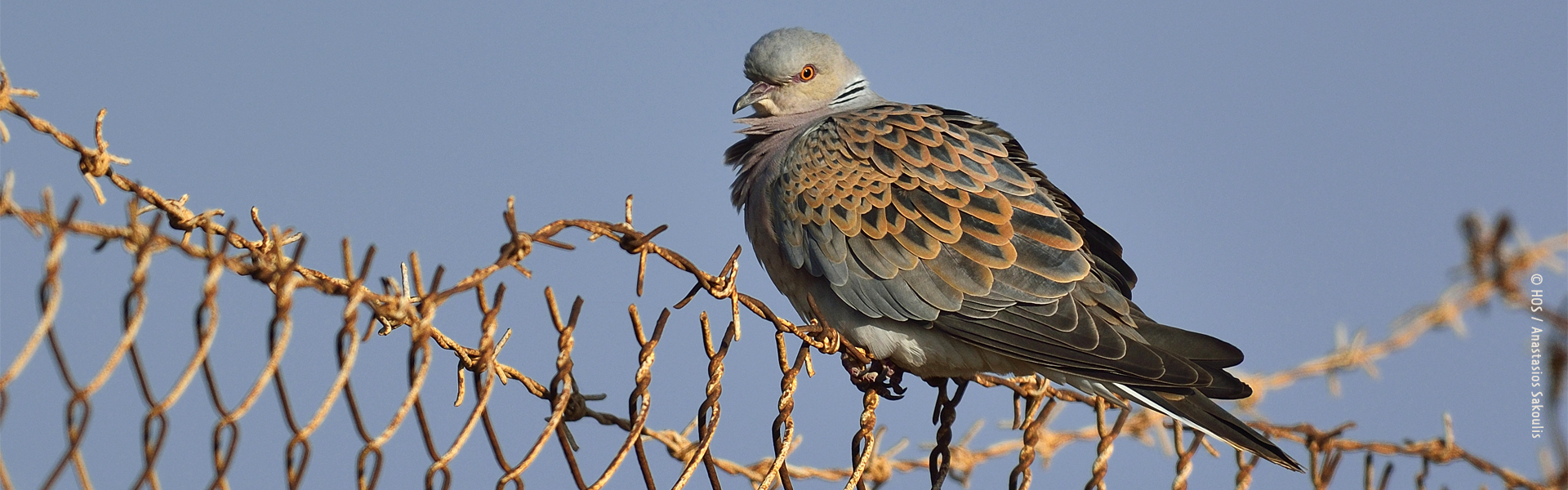
The European Commission has given the green light for Western flyway countries to reopen the hunting season for this globally endagered species, after just 3 years of "respite".
The moratorium on hunting of the globally endangered species was introduced in 2021 and was fully adopted by Μember States along the Western flyway, such as Spain, Portugal, and France, until 2024. On the other hand, in the Central-Eastern flyway, which includes Greece, the moratorium was not adopted and some States opted for a harvest reduction to 60% instead, between 2022 and 2024; which in itself was poorly implemented, to say the least. It is worth noting that the harvest reduction was introduced on the Central-Eastern flyway, even though there was insufficient data from the region to justify whether this was an adequate response.
Data from the PanEuropean Common Bird Monitoring Scheme (PECBMS) makes it clear: In the Western Flyway, where hunting was fully banned, the Turtle-dove population has started to recover. Conversely, in nations where no ban was introduced or enforcement remained weak, population numbers dropped by an estimated 15% during the 2021–2024 monitoring period.
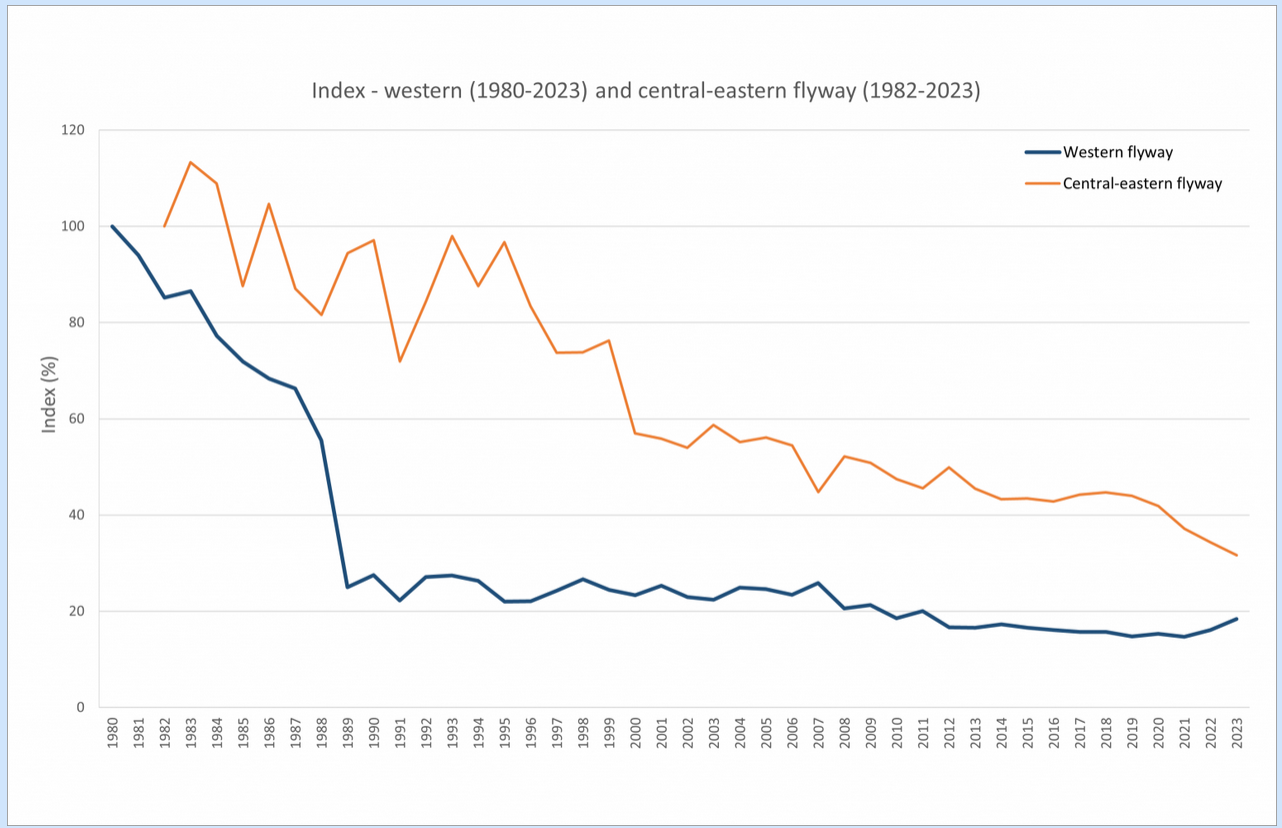
Comparison graph of Turtle-dove's populations in the two European migration corridors, PECBM (2024)
The European Commission’s recent decision to allow the reopening of Turtle-dove hunting for the 2025/2026 season—with a harvest limit set at 1.5% of the population—has raised serious concerns. Key questions remain unanswered: How will harvest rates be reliably monitored? What safeguards will be placed to prevent overhunting? And how can a species still classified as “Vulnerable” in Europe’s Red List of Threatened Species be considered truly protected?
The temporary recovery of Turtle-dove populations in the Western flyway is not sufficient to justify the reinstatement of regular hunting seasons, especially given additional ongoing pressures to the species such as poaching, habitat loss, intensive farming, and the excessive use of pesticides. Without a strong, coordinated protection framework implemented horizontally across “key” Member States, the Turtle-dove faces the very real risk of another devastating population crash.
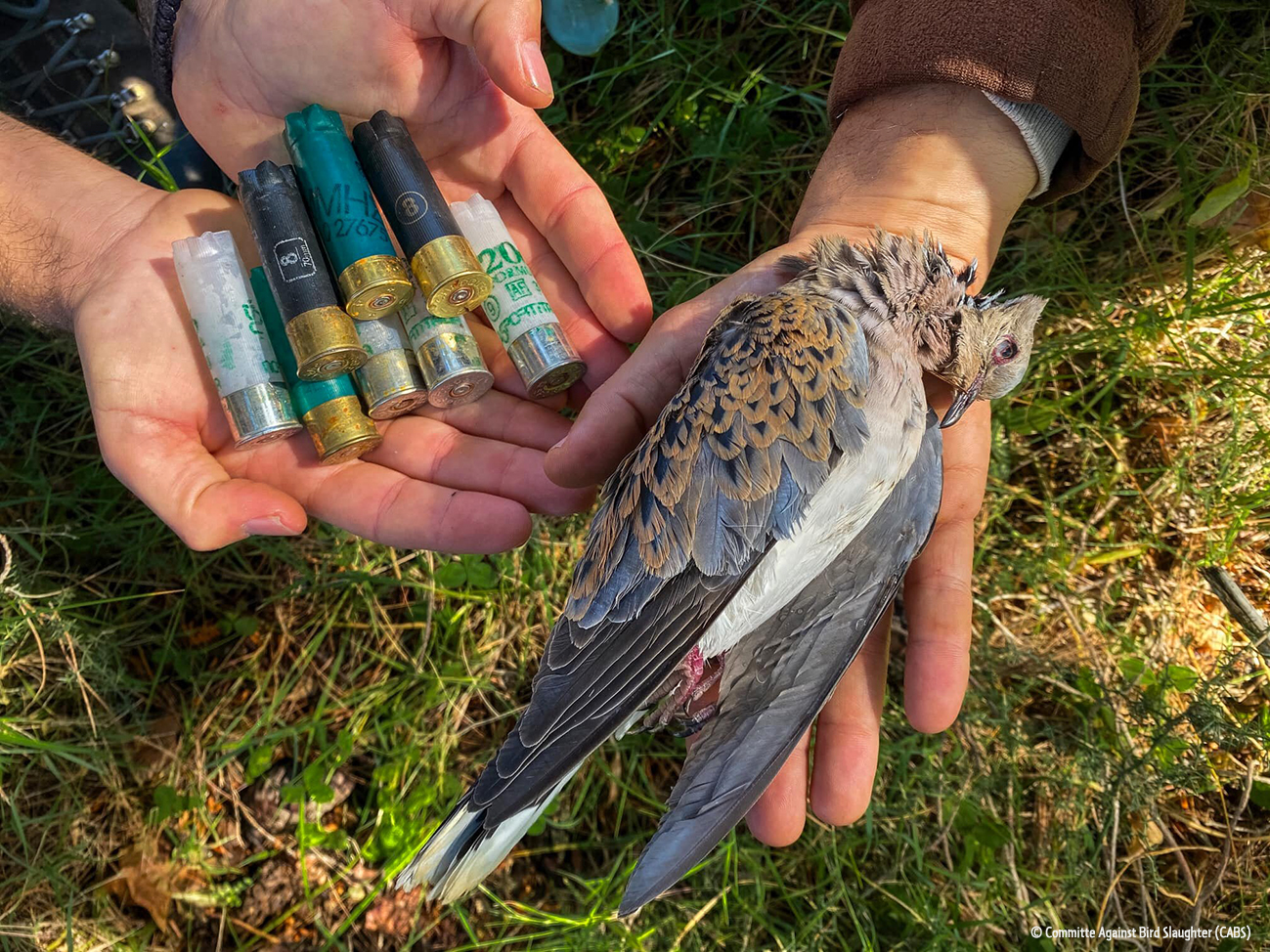
The situation in the Central-Eastern flyway remains dire as the species face continued threats. In this region, including Greece, Turtle-doves are still hunted legally, while many fall victim to poaching, particularly during their spring migration from North Africa, which in Greece peaks between March and May.
The Hellenic Ornithological Society (HOS) is urging the Greek Government to finally take decisive action to safeguard this emblematic species and set a positive example for Central and Eastern Europe by implementing a temporary ban on hunting of the species while significantly stepping up efforts to combat the widespread illegal poaching during the Turtle-dove’s spring migration, particularly across the Ionian Islands, a critical stopover along the Turtle-doves' migration route.
_____________________________
Read BirdLife's statement on the European Commission's decision here.