


Once again, hunting interests prevail over the protection of nature.
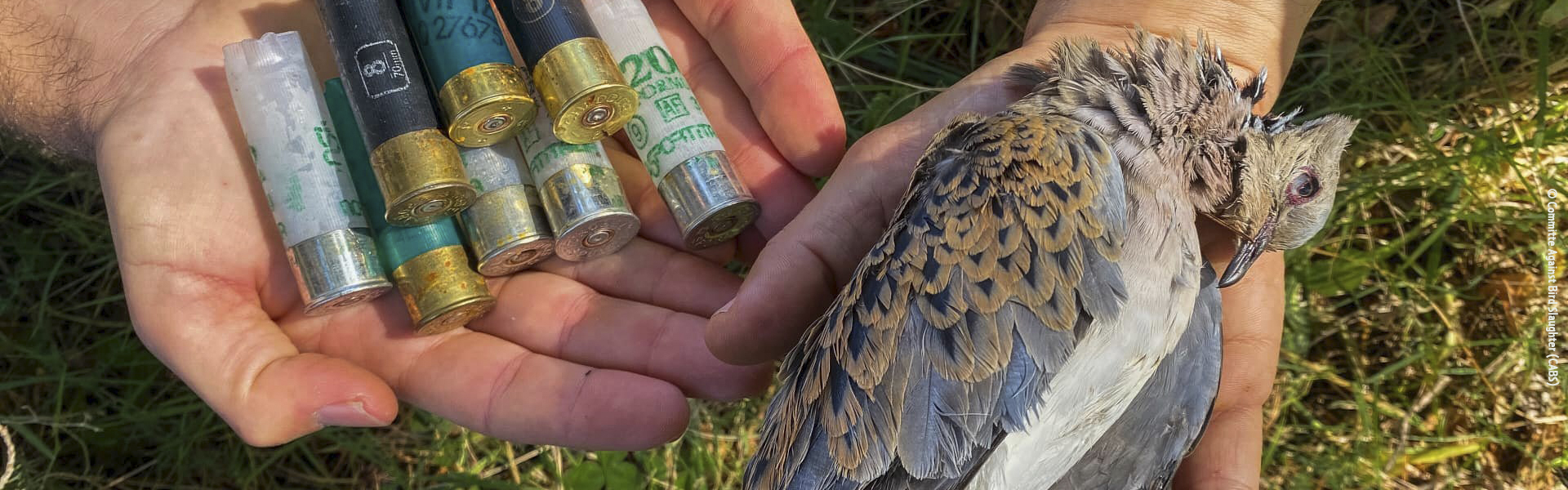
Today, August 20, 2025, the new hunting season begins, while the country is still counting its wounds from the devastating summer wildfires. With wildlife under severe pressure, the Ministry of Environment and Energy issued on 07/08/2025 yet another Regulatory Decision on Hunting, once again geared towards serving hunting interests, disregarding the scientifically documented need to protect threatened species. The most characteristic example is the Turtle Dove, whose population is collapsing and which is now globally threatened, yet it still remains on the list of huntable species.
At the same time, this year’s wildfires caused extensive damage to the natural environment with incalculable consequences for wildlife. In a circular issued on August 19, the Secretary General of Forests called on forestry services to immediately issue Forest Hunting Ban Decrees for burned areas and surrounding safety zones. It is crucial that these bans are comprehensive and accompanied by strict enforcement so that they are actually respected and provide real protection for wildlife. In regions such as Chios, where vast areas of natural vegetation were burned (twice) - ~13% of the island’s total area! - a full hunting ban across the entire island is imperative, so that birds and wildlife can find refuge and time to recover.
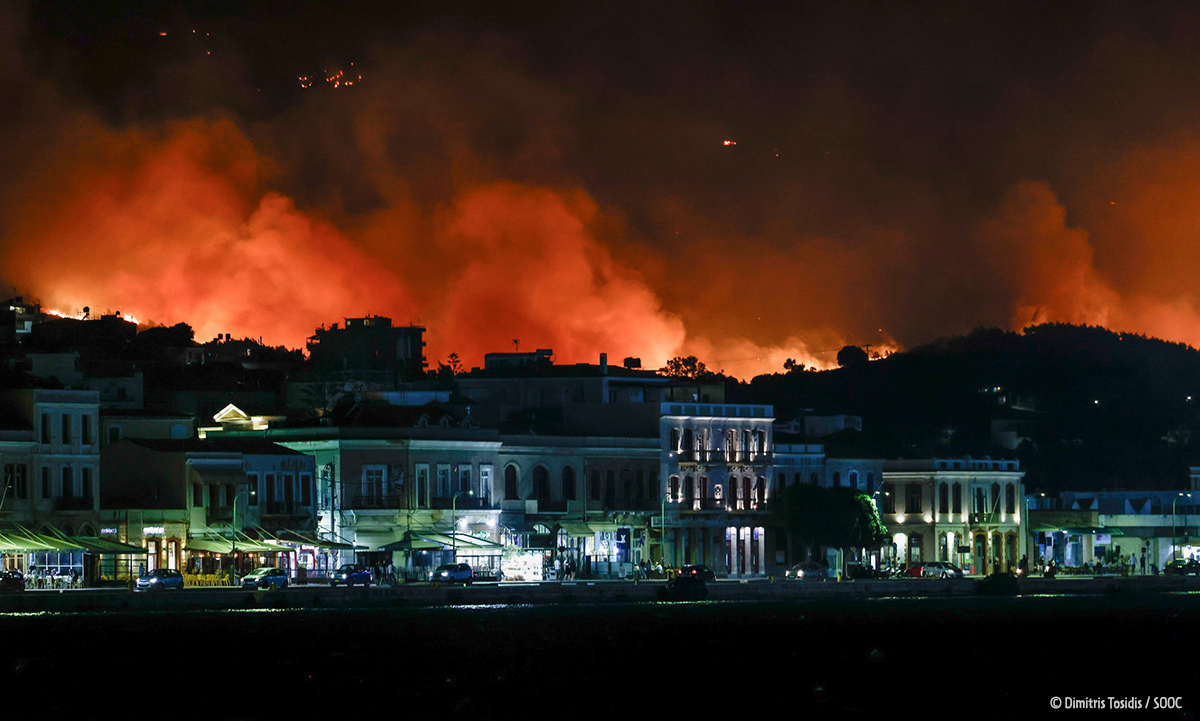
Wildfire near the city of Chios, as seen from the central port (June 2025). Photo: Dimitris Tosidis / SOOC
The Hellenic Ornithological Society expresses its strong disappointment and highlights the most problematic points:
- Contrary to repeated recommendations by the European Commission, hunting of the globally threatened Turtle Dove continues, with the national harvest quota maintained at 36,000 individuals. In 2024, the Turtle Dove population along the Central-Eastern migratory flyway reached a historic low, yet the Ministry of Environment and Energy considered that no changes were necessary for the protection of the species in Greece. The mandatory recording of daily harvests via the "KENTAVROS" mobile application does not eliminate the serious doubts expressed by the Hellenic Ornithological Society regarding the reliability of data reported by hunters, especially at a time when enforcement remains insufficient.
- Species with an unfavorable conservation status, such as the Common Pochard (Aythya ferina), the Northern Pintail (Anas acuta), the Redwing (Turdus iliacus), and the Common Quail (Coturnix coturnix) remain huntable.
- The extension of the hunting season until February 10 for waterfowl and waders, and until February 20 or 28 for thrushes, puts the breeding period of certain species at risk (for example, the Common Blackbird, which increasingly often has chicks in the nest as early as February). These staggered hunting dates not only cause significant disturbance to species that have already entered breeding or migration phases but also increase the risk of misidentification and accidental shooting of protected species.
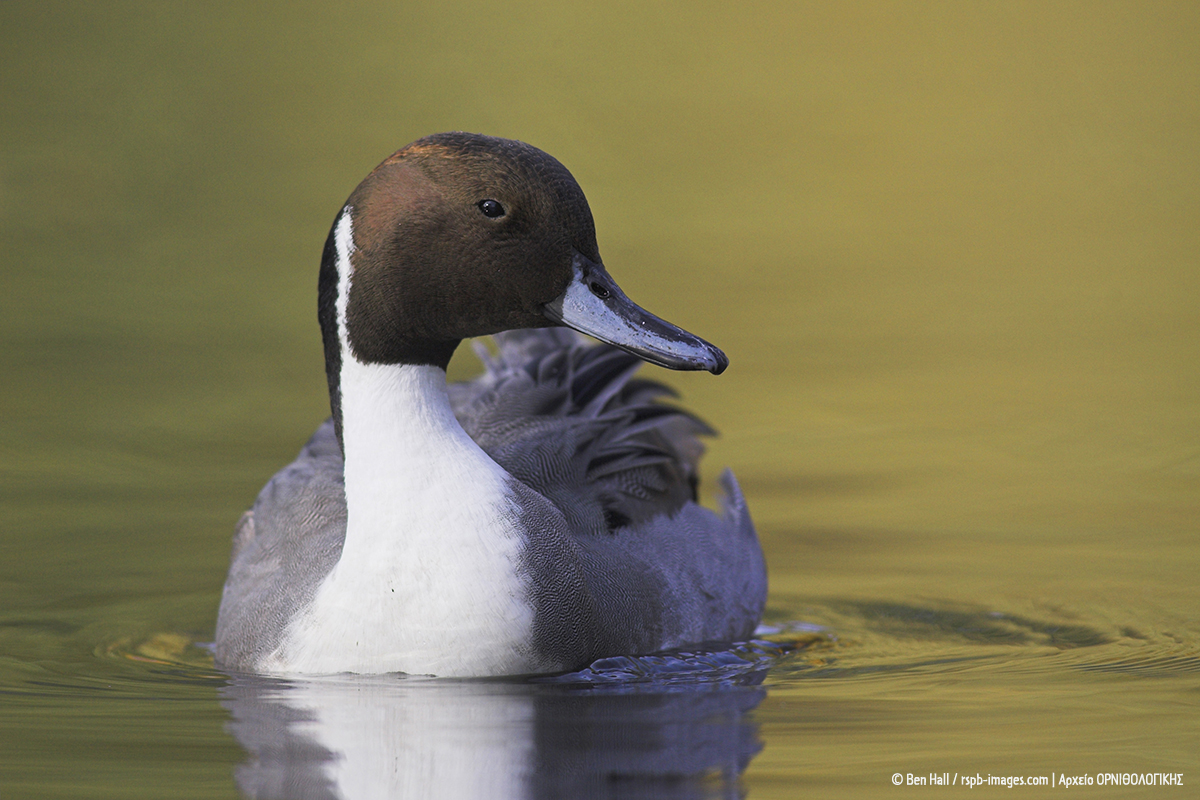
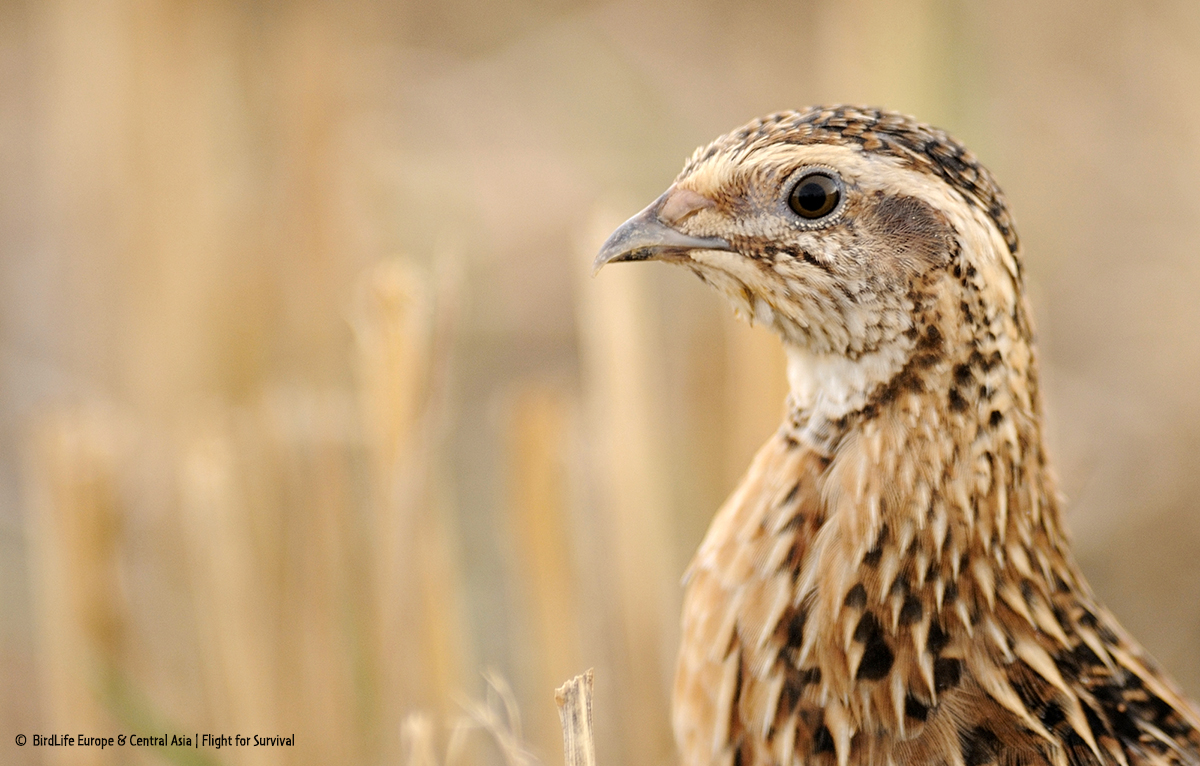
Species in an unfavourable conservation status, such as the Northern Pintail (Anas acuta) and the Common Quail (Coturnix coturnix), remain huntable.
In meetings with the Directorate of Forest Management of the Ministry of Environment and Energy, as well as with the Minister of Environment in July 2025, the Hellenic Ornithological Society (HOS) stressed the need for a hunting ban on the Turtle Dove for at least 1–2 years, to prevent the population collapse of the species - a proposal which this year was co-signed by ANIMA, the Hellenic Society for the Protection of Nature and WWF Greece. Yet, the Ministry of Environment and Energy once again chose to ignore it with ease, as it has done in previous years.
At a time when poaching, habitat loss due to intensive agriculture, and the climate crisis are undermining the survival of the Turtle Dove and other threatened species, the Ministry of Environment and Energy refuses to take responsibility for their protection. We wonder what more must happen before the authorities realize that even hunters themselves do not benefit in the long term from such an utterly unsustainable approach to hunting.
The Hellenic Ornithological Society, however, does recognize one positive element in this year’s Regulatory Decision on Hunting: for the first time, hunting was banned in the Kleisova Lagoon within the Messolonghi National Park and Protected Areas of Western Central Greece. If properly enforced, this measure will reduce hunting pressure in a highly vulnerable ecosystem and contribute to more effective protection of the wetland, while also preventing poaching incidents in the area. We now await to see whether similar steps will be taken for the Ambracian Gulf, for which we have already submitted concrete proposals.
The State must abandon its policy of inertia and favoritism and proceed with decisions that will genuinely ensure the protection of nature. Priority must be given to adequate enforcement in fire-affected areas and their neighboring zones, and ultimately to a complete hunting ban in Chios, as well as the immediate prohibition of hunting for threatened species.